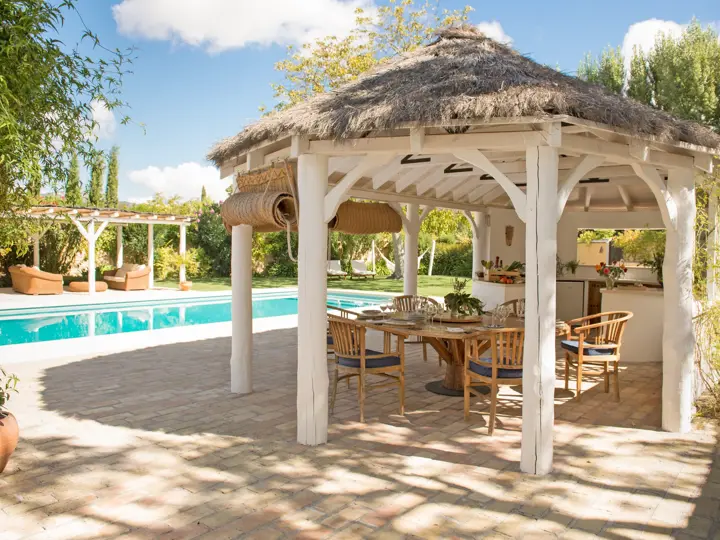
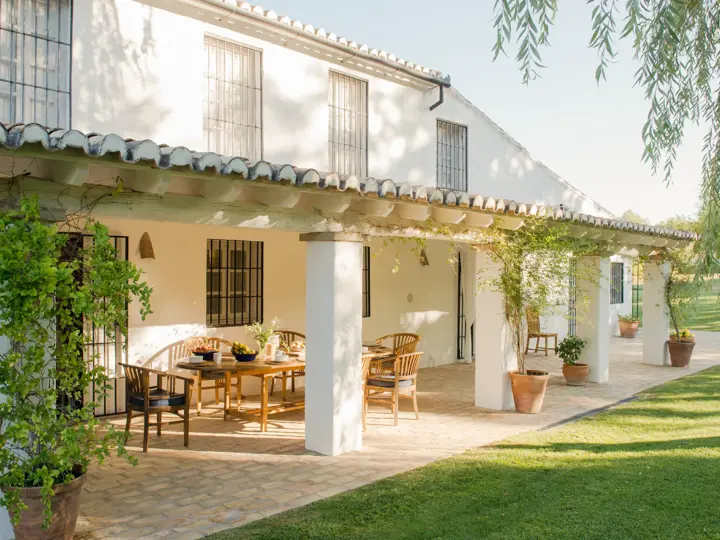
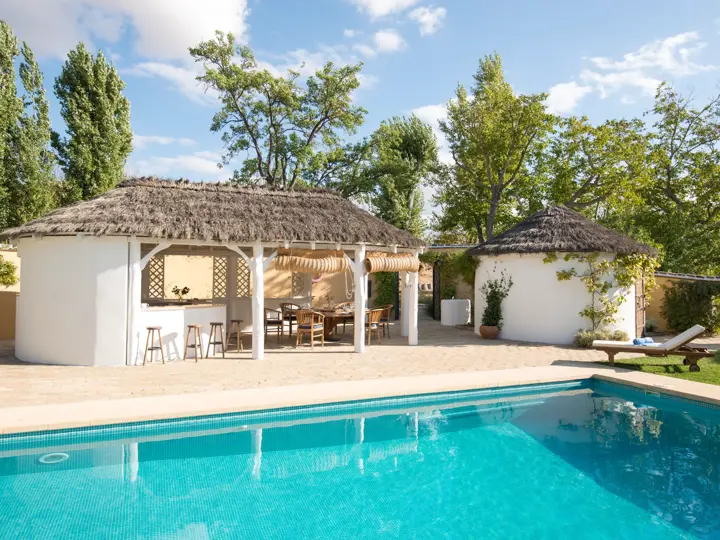
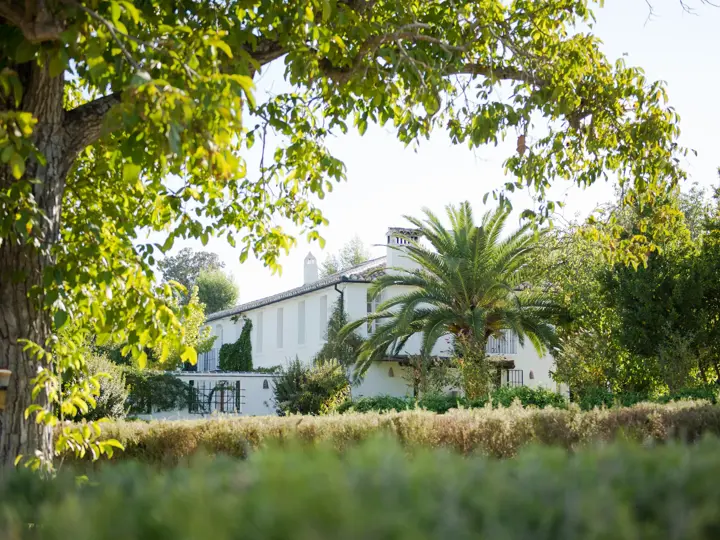
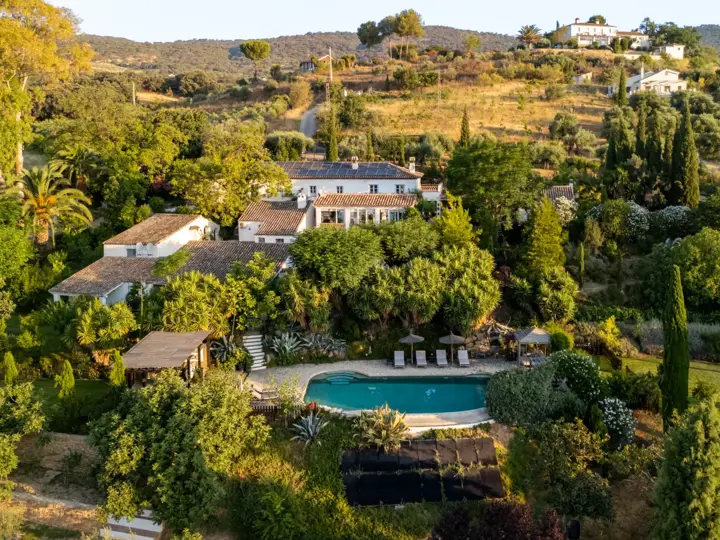
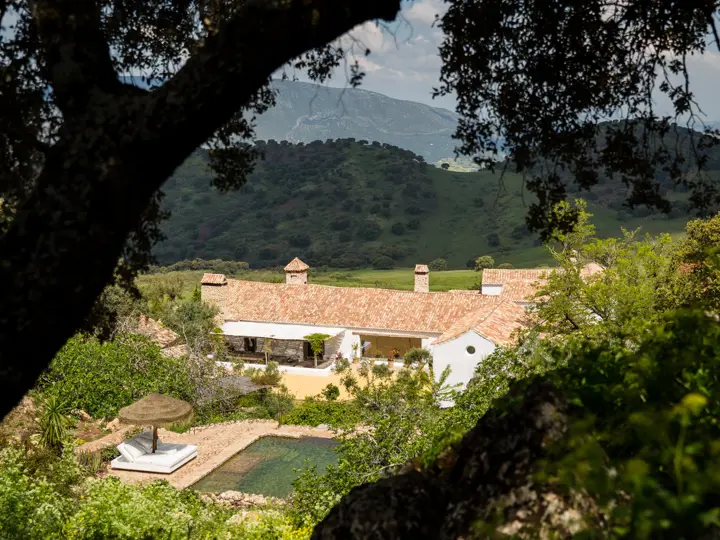
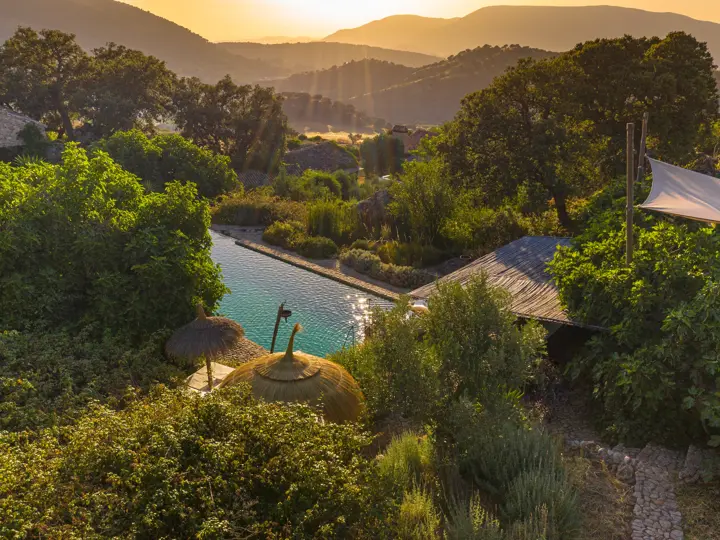
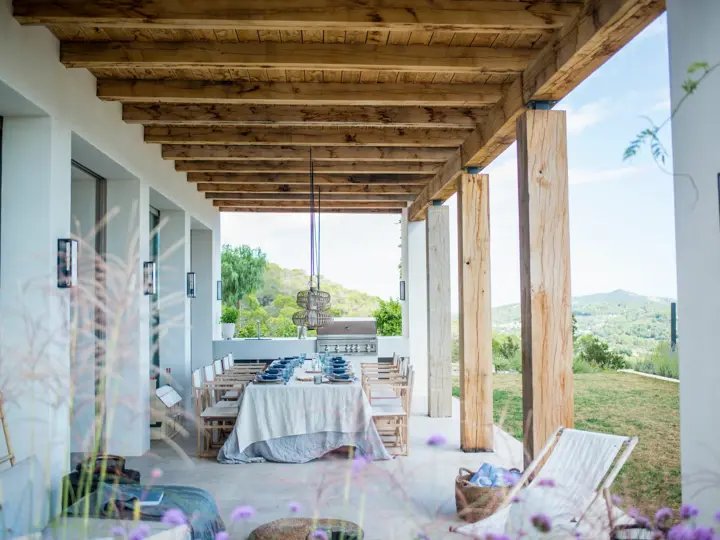
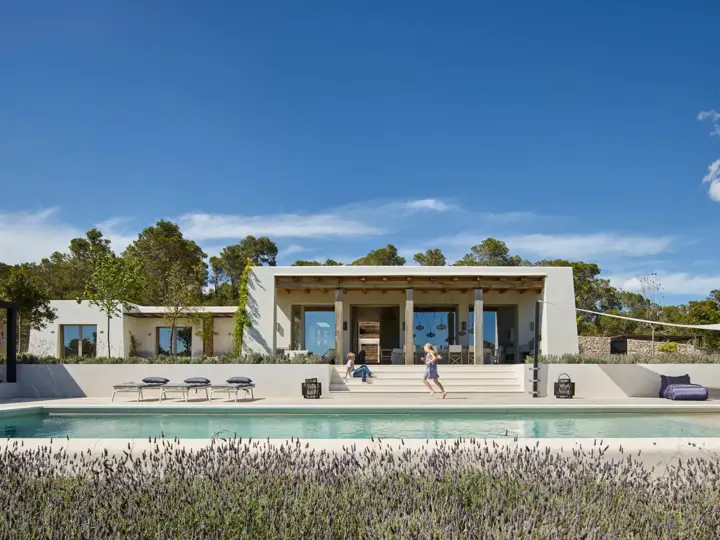
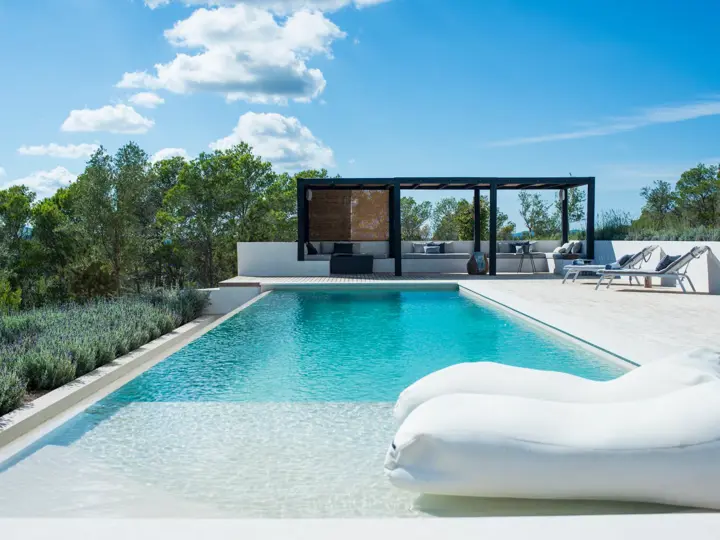
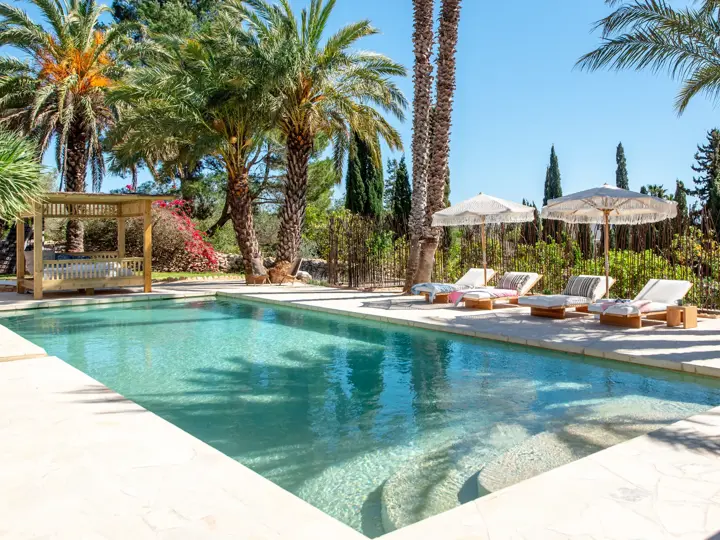
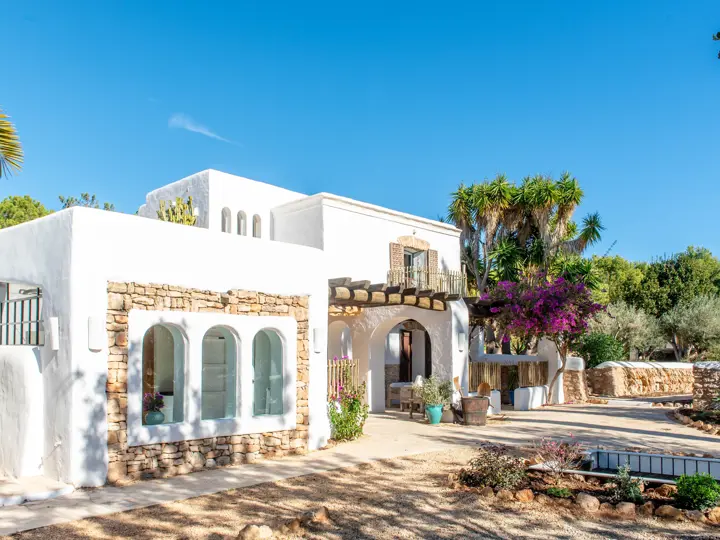
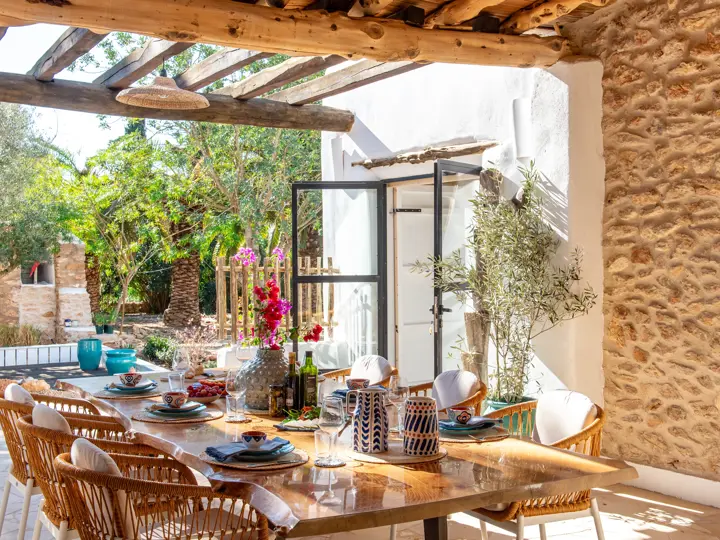
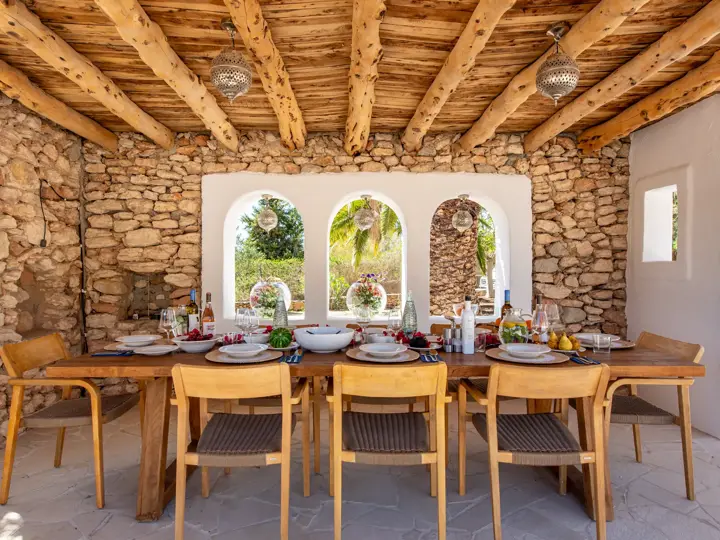
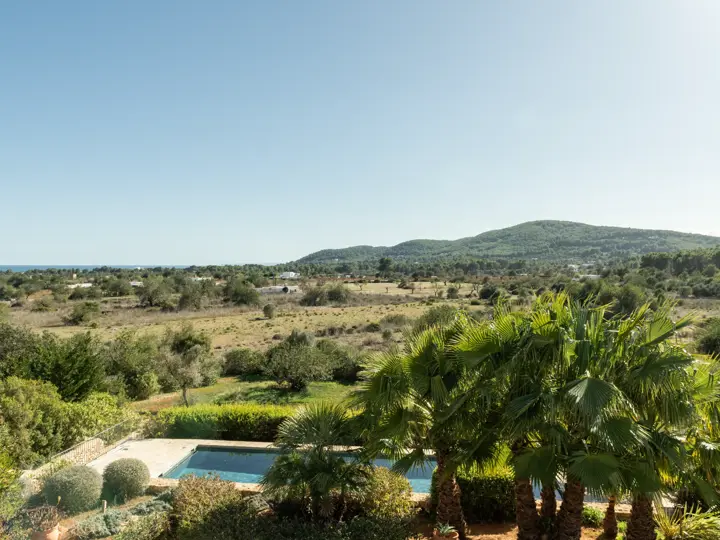
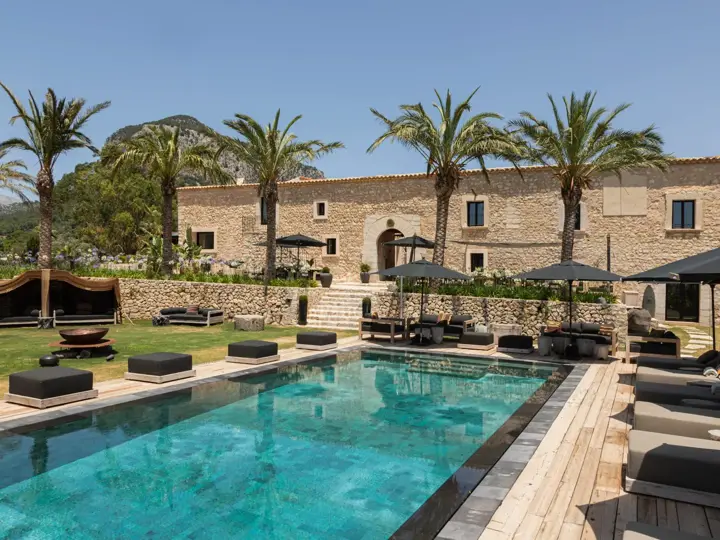
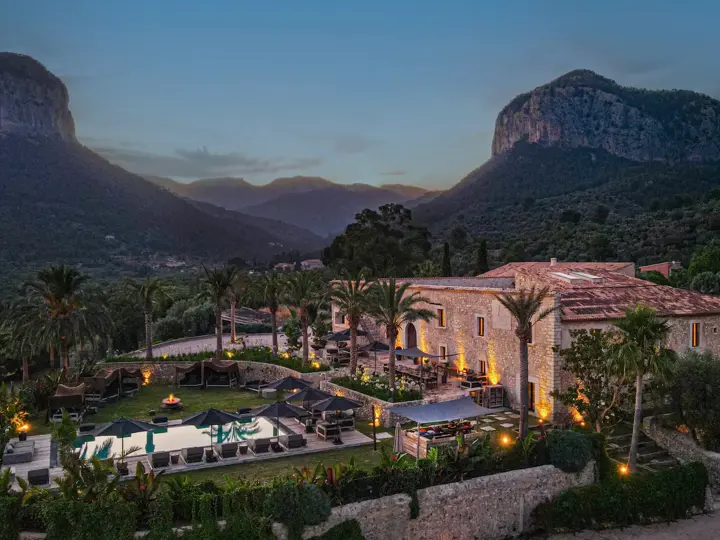
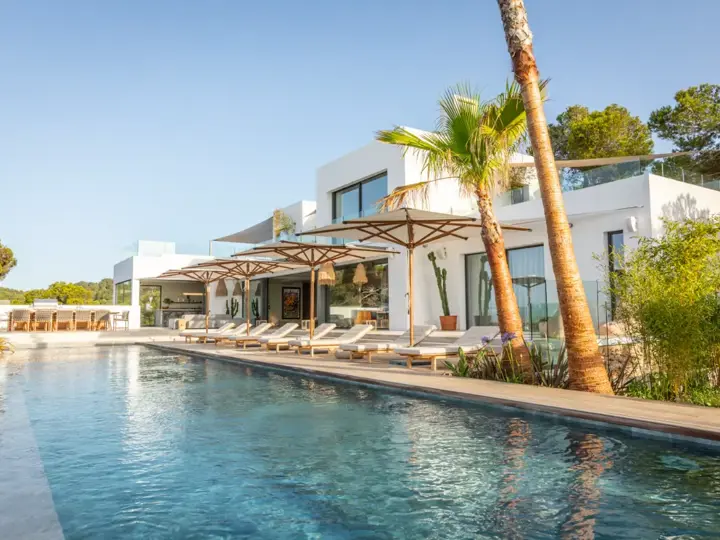
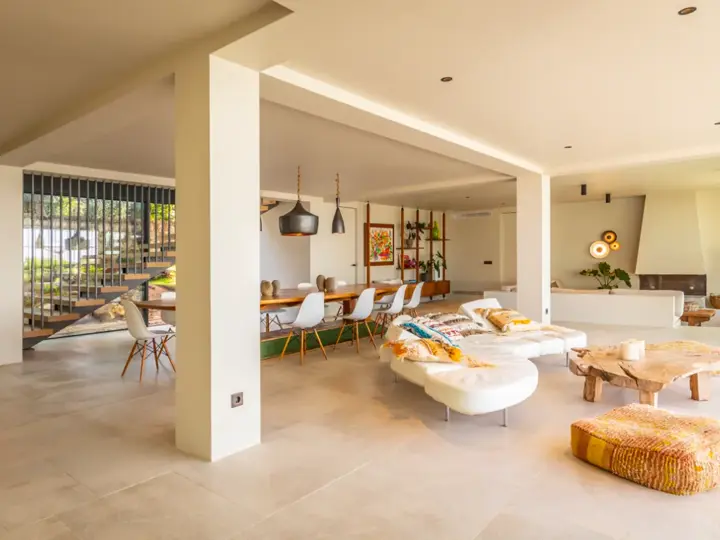
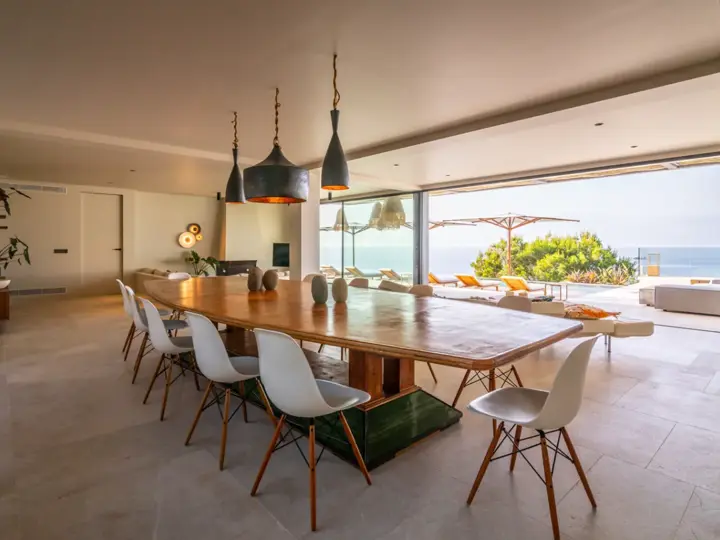
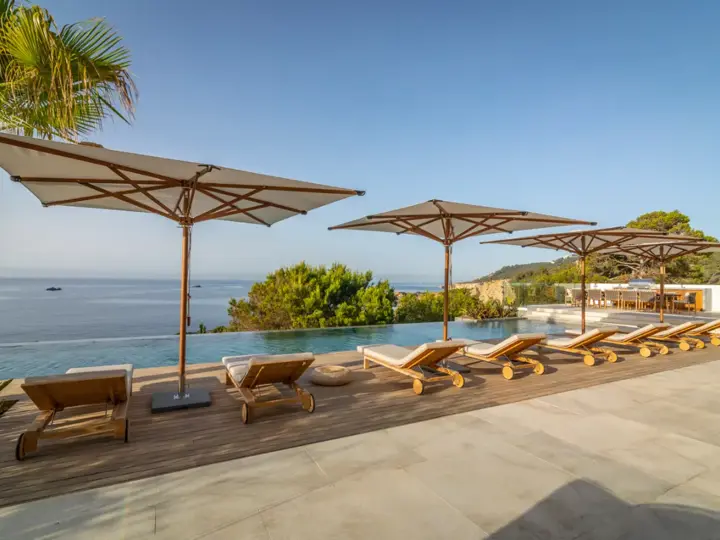
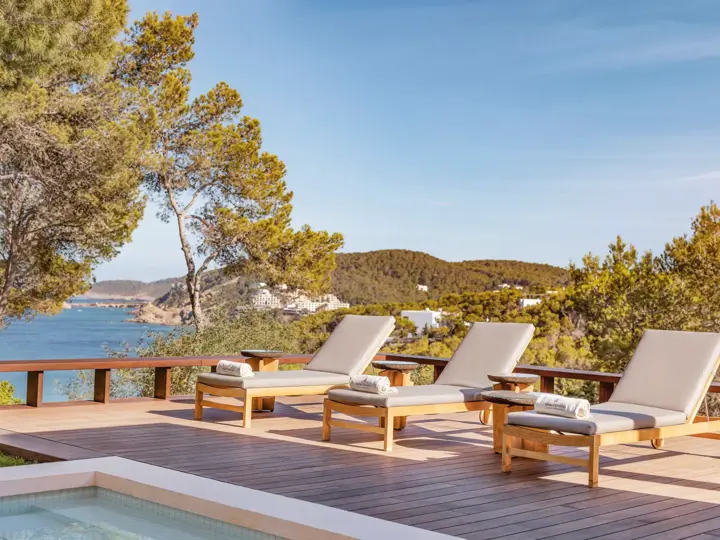
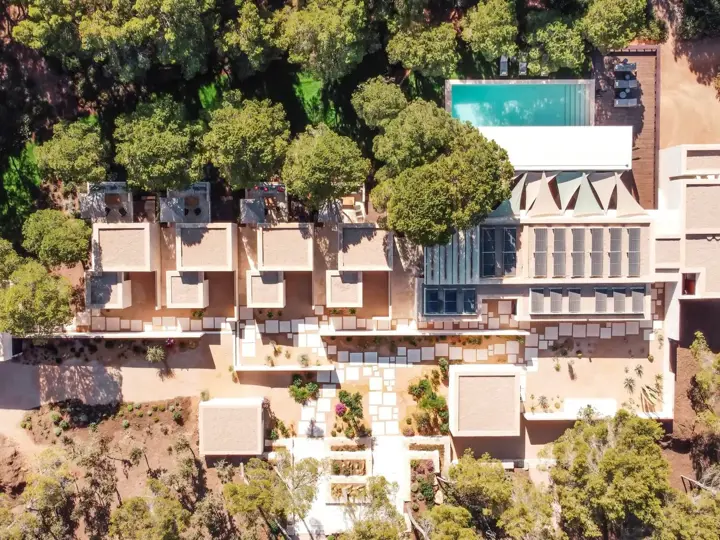
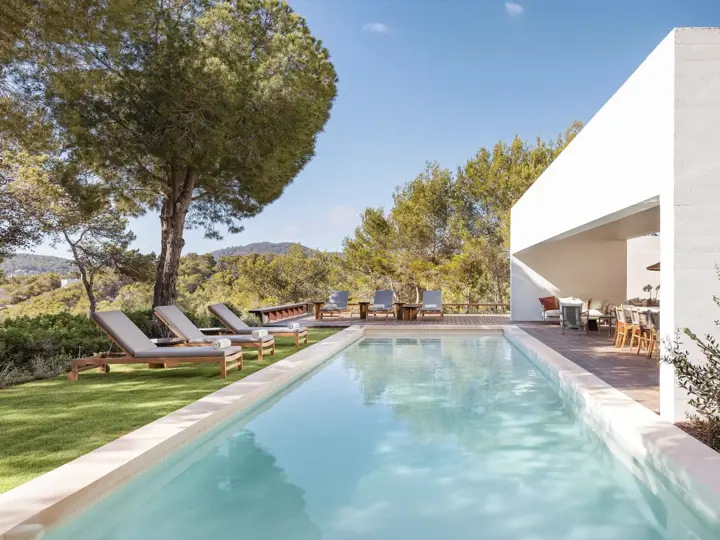
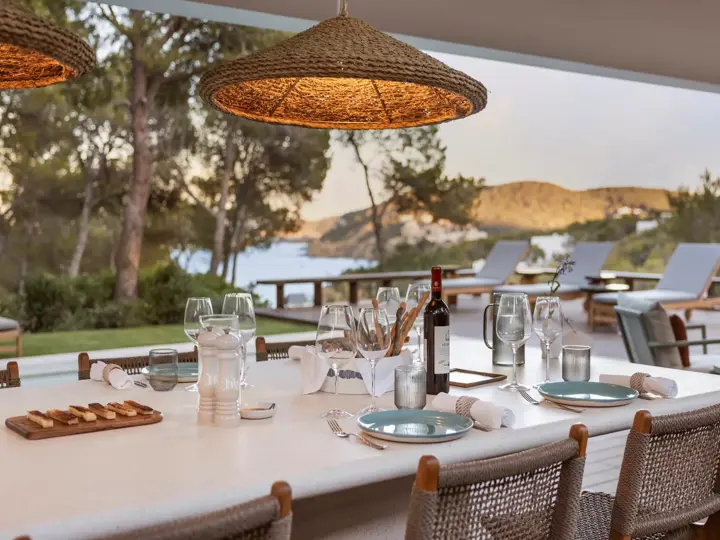
Andalucia is a vast, autonomous region of Spain, with rolling hills, rivers and agricultural land bordering the southern coastline. This region is the birthplace of many integral Spanish traditions, from tapas to Flamenco music and bullfighting.
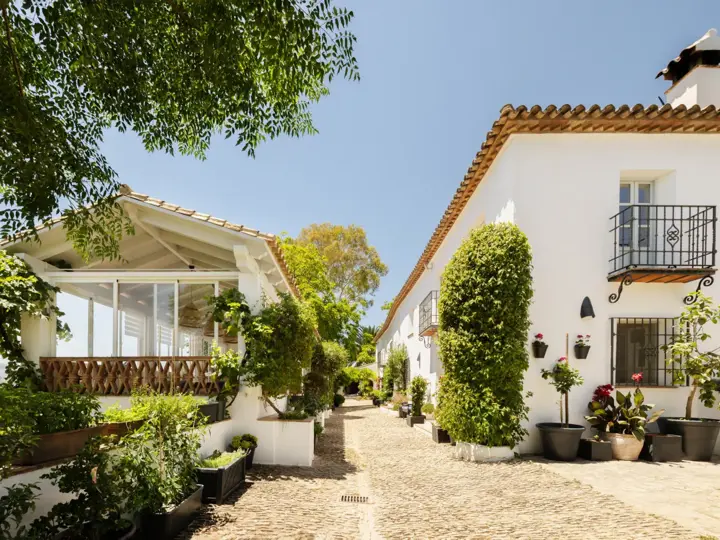
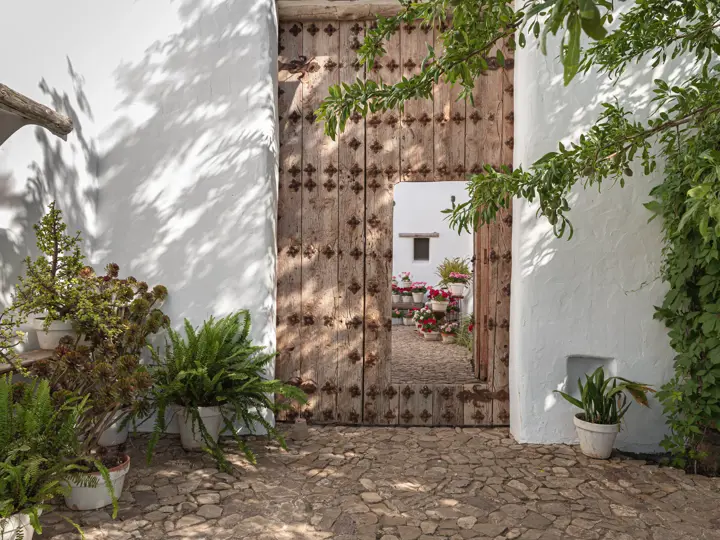
From gothic cathedrals to Moorish palaces, there is so much history to immerse yourself in here. Rural areas are dotted with sleepy villages that feel untouched by the pace of modern life. Andalucia’s most well-known hilltop town is Ronda, a town split in to two halves either side of the impressive El Tajo gorge. Just west of Ronda is the stunning Sierra de Grazalema Natural Park, declared a UNESCO Biosphere Reserve since 1977. It’s the perfect hiking spot, as the mountain ranges are criss-crossed with routes offering stunning views. Explore the park’s iconic ‘pubelo blancos’ (white towns) named after the traditional whitewash on the buildings. Stroll through the old towns, past tiled fountains, white and yellow painted churches and buzzy little local’s cafes.
From horse-riding to hiking, tapas to flamenco, bullfighting to roman baths, Andalucia has so much to offer – one week just isn’t enough!
The relative altitude of the area around Ronda, combined with the sunny climate provide the perfect conditions for growing a vast array of fruit and vegetables, and the quality is outstanding. You can sample this produce everywhere, from more traditional tapas bars to Michelin star restaurants such as Bardal in Ronda. Food miles here are extremely low, as the surrounding land is so fertile, and everything is utterly delicious.
Try salmorejo as a refreshing starter or lighter lunch. It’s a heartier version of gazpacho, made with ripe tomatoes, extra virgin olive oil, day-old bread, sherry vinegar and garlic. Its creamier in texture, and often garnished with a boiled egg and ham.
The Moors heavily influenced Andalusian cuisine – they introduced artichokes, aubergines, apricots, saffron, rice and almonds. The baked aubergines with honey and a dusting of cinnamon are to die for, as is the saffron-rich Andalusian paella.
The region is well known for its artisanal cheeses too, the majority of which are made with goats' milk that roam the local pastures. Often served as part of a tapas spread, flor de ronda cheese comes drizzled with honey and accompanied by a glass of delicious Manzanilla sherry.
Perhaps the star of the show in Andalucia is the ham. You’ll find cerdo (pork) on the menu in nearly every establishment. Jamon Iberico can be cured for up to 2 years, producing a lean, intensely flavoured, melt-in-the-mouth meat.
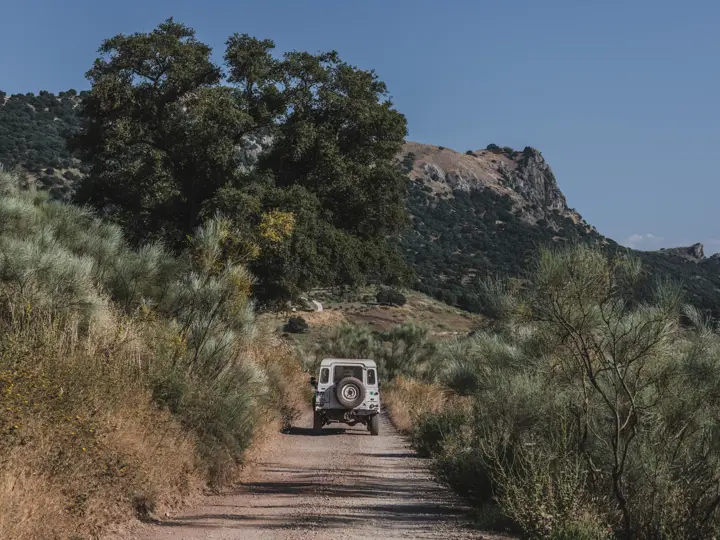
Andalucia boasts some staggeringly beautiful wild spaces that can be enjoyed in a wide range of ways, from canyoning in the Garganta Verde to horse-riding tours through the National Park.
Explore Ronda’s old and new towns, split down the middle by the El Tajo gorge and connected by the Puente Nuevo bridge. Completed in 1793 after a 34yr build, this bridge has become one of the region’s most famous landmarks with its triple arches and 120m tall columns. Many of Ronda’s shops remain untouched by time architecturally, so a stroll around the city still feels a little like you’ve travelled back in time to medieval Spain. The region has some excellent leather factories – seek out Ronda’s warehouse-style shops selling shoes, belts, bags and luggage. When you’re weary of shopping, head to the Casa del Jamon on Calle Jerez – they'll cut your choice of ham and can fill a baguette for you to help you regain your strength for more exploring!
Visit the Banos Arabes de Ronda, incredibly well-preserved 13th century baths built by the Moors. They were originally used by the Arabs as a way of purifying themselves before visiting the mosque. Similar to the Roman bathhouse, these baths were also a popular place to socialise too.
Another historical hotspot in the region is the Plaza del Toros in Ronda. Built by the same architect as the Puente Nuevo bridge over the gorge. It was built in 1785 and is a huge part of the town’s history and culture. It's one of Spain’s oldest and most impressive bullrings. Nowadays, just one fight is held here a year, as part of the Feria de Pedro Romero festival each September.
First thing’s first of an evening, you must head for tapas and wine! Like most Mediterranean towns, they are most lively at night, once the heat of the day has dispersed. The locals eat late, so head for drinks first at a lovely little wine bar before settling in for some tasty tapas.
For those fancying something slightly more adventurous, head to see a Flamenco performance at one of the area’s many Flamenco bars - you can watch the show whilst you enjoy a delicious supper!
Summers in Andalucia are long, warm and dry. Unlike other inland regions in Spain, the peak summer months of July & August rarely get unbearably hot, as the nearby Sierra mountains help to mitigate temperatures. Be sure to check out the Cante Grande Flamenco festival in Ronda if you’re visiting in August!
The shoulder season in Spring and Autumn are wonderful times to visit Andalucia – the temperatures are a little cooler, meaning perfect conditions for hiking, horse riding and cycling. Outside of the peak summer months the area is quieter too – in the Spring wildflowers and blossoms cover the mountain ranges, and in October and November those beautiful autumnal colours abound.
Sign up to receive our latest offers, new villas and holiday inspiration, sent straight to your inbox.